Medical Education
MD, University of Texas Health Science Center, 2011.

About Vanessa Gross, LMFT
Vanessa brings medical training, seven years of therapy practice, and a deeply personal understanding of what it costs to stop living by other people's expectations.
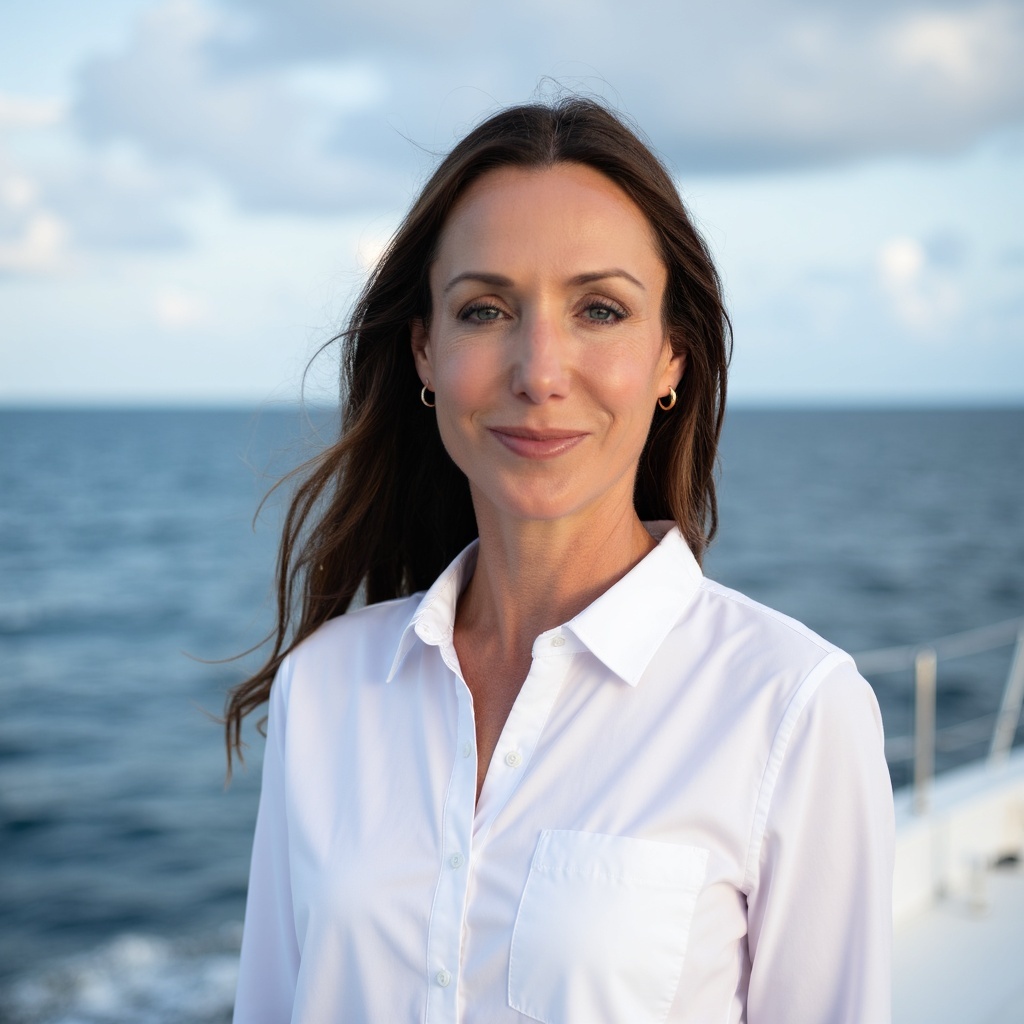
Why I Do This Work
I chose this profession because I bring my own history with trauma, striving, and people-pleasing into helping others. I do not assume our stories are the same. I understand how a pattern can once protect you and still become painful to carry.
I know the pressure to perform competence while something underneath needs attention. In therapy, you do not need a tidy explanation or have to make your pain easier for someone else to understand.
My history is not the center of your session. It informs how I show up: with openness, respect, and less distance between “expert” and “client.” I bring clinical knowledge; you bring knowledge of your life. The work depends on both.
From Medicine to Therapy
Before becoming a therapist, I trained and qualified as a medical doctor. I earned my MD from the University of Texas Health Science Center in 2011. Medicine required discipline, endurance, and years of moving toward a future that looked meaningful from the outside.
I pushed hard in a career that was not my life purpose. Recognizing that was not a simple realization followed by an easy decision. Changing course meant questioning an identity I had worked to build and facing the possibility that people around me might not understand why leaving a respected path could be the healthier choice.
That experience stays with me when a client is standing at a decision that others think is a mistake. A relationship may no longer fit. A career may be costing too much. A role that once gave life structure may now feel impossible to keep. The practical consequences matter, and so does the quieter knowledge that continuing as before may carry its own cost.
I will not tell you to make a dramatic change or treat discomfort as proof that you should leave. I can help you examine fear, responsibility, grief, values, and the voices you have learned to obey. My medical background also helps me remain attentive to the ways sleep, stress, concentration, pain, and physical health can meet emotional life.


Grounded, reciprocal, real
I enjoy open dialog and authenticity. A session with me is collaborative and responsive rather than distant or overly scripted. I may ask a direct question, reflect a pattern, slow us down around an emotion, or offer a practical tool. You are always allowed to tell me when something does not fit.
My foundation is client-centered and attachment-based. We consider what happened, the relationships and environments that shaped you, and the strategies you developed to stay connected or safe. Growth can move at a pace that meets you where you are while still challenging familiar patterns that now keep you stuck.
Training and Credentials
Vanessa's public professional profile lists seven years in practice. Her education, license, and clinical training support work that can hold both practical skills and deeper relational patterns.
MD, University of Texas Health Science Center, 2011.
MACC, Point Loma Nazarene University, 2020.
Gottman-certified, with training across attachment-based, relational, family-systems, cognitive, behavioral, and trauma-focused care.
How I Work
No single framework explains everything about you. Vanessa draws from several approaches according to your concern, history, and readiness.
CBT can help you examine thoughts and behaviors that keep a painful cycle moving. DBT offers skills for intense emotions, distress, and communication. ACT helps you make room for difficult internal experiences while choosing actions connected to your values. Mindfulness can help you notice what is happening without immediately reacting to it.
Psychodynamic and attachment-based work looks beneath the current symptom toward older relationships, protective patterns, and needs. Relational and family-systems approaches consider how people affect one another. Gottman methods add structure for couples working with conflict, connection, and repair. Trauma-focused and strengths-based care help keep safety, resilience, and choice in view.
These are options, not a checklist used in every session. Vanessa's client-centered framing means the relationship remains central: you can ask why she is suggesting something, disagree, and help shape the direction of the work.
Who I Work With
Vanessa's published profile lists work with teens, adults, and elders, approximately ages 13 through 65 and beyond. She sees individuals, couples, and families, including veterans and people navigating grief, trauma, anxiety, depression, ADHD, relationships, substance use, burnout, and major life transitions.
Sessions are online, for clients located in Texas. The free consultation is a practical place to confirm availability and fit.
Texas Eligibility
Choose where you will be physically located during your appointment.
A person in the room with you
I value openness, authenticity, and reciprocal learning. I notice the words you use and moments when something feels especially true, or not true at all.
You do not have to perform therapy correctly. Bring uncertainty, humor, frustration, silence, or not knowing where to begin. I want our work to feel human enough for honesty and steady enough for difficult things.

A gentler next step
The free 15-minute consultation is a chance to ask questions, talk about what brings you here, and see whether Vanessa's approach feels right for you.